Starting With Bare Ground: Landscape Design for New Construction in Salt Lake City
Why Undeveloped Properties Need Site-Specific Planning Before Planting Begins
When dealing with undeveloped property in Salt Lake City, the absence of existing landscape infrastructure means every decision—from drainage slopes to irrigation placement—affects how well the outdoor space functions years later. New builds often have compacted soil from heavy equipment, uneven grades that direct water toward foundations, and no natural windbreaks or shade coverage. Without addressing these conditions during the initial design phase, you'll spend more correcting drainage problems, replacing struggling plants, or retrofitting irrigation lines that should have been laid during grading.
Salt Lake City's 16 inches of annual precipitation and temperature swings between single-digit winters and 90-degree summers require layout choices that account for sun exposure, wind patterns along the Wasatch Front, and microclimates created by home orientation. Lakeside Landscaping & Design approaches design by mapping existing grades, identifying natural drainage paths, and planning feature placement around how you'll actually use the space—whether that's a play area that needs impact-resistant turf or a patio positioned to catch evening shade from a pergola structure.
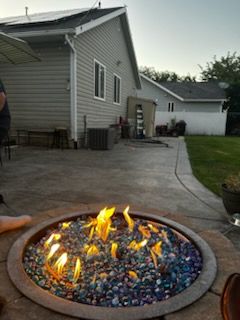
The planning process starts with understanding what the property needs to support: If you're installing a fire pit, the design accounts for setback requirements and positions seating areas upwind of prevailing smoke direction. Retaining walls get placed where grade changes exceed 18 inches, preventing erosion while creating level planting beds or terraced lawns. Irrigation zones get mapped according to sun exposure and plant water needs—grouping high-water turf separately from drought-tolerant shrub beds reduces waste and prevents overwatering damage.
Grading considerations determine whether rainwater and snowmelt flow away from structures or pool near foundations. Properties with slopes toward the home need swales or French drains integrated into the design, while flat lots may require subtle contouring to create positive drainage. Fencing placement affects wind flow and snow drift patterns, and the decision to use solid panels versus open rail changes how much winter moisture accumulates in planting areas. Every feature connects to the broader system: A patio positioned without considering afternoon sun becomes unusable in July, and planting beds placed in high-traffic areas get compacted and fail within two seasons.
If you're starting with bare ground in Salt Lake City and need layout planning that accounts for Utah's climate and how outdoor spaces actually get used, request a free estimate before construction begins.
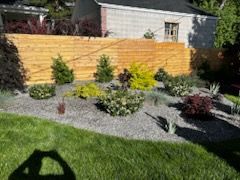
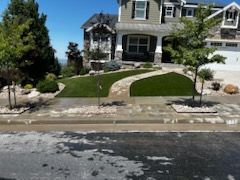
What Gets Included in a Functional New Build Landscape Design
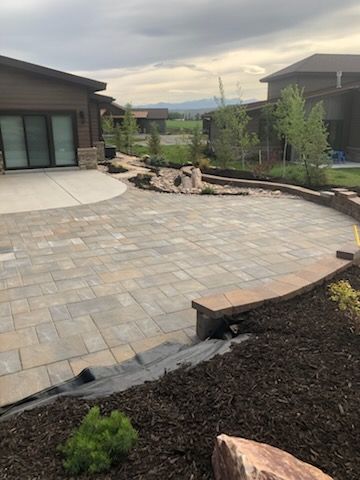
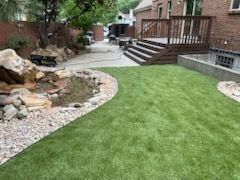
Customized solutions adapt to property size, goals, and vision by addressing the specific challenges each site presents. A narrow lot with southern exposure needs different shade strategies than a wide property with mature trees on the north side. The design integrates multiple elements into a cohesive plan that prevents conflicts between systems—irrigation lines don't interfere with retaining wall footings, and patio drainage doesn't undermine fence posts.
- Compacted soil from construction equipment that prevents root growth and water infiltration unless amended or tilled before planting
- Drainage issues that develop when finish grades don't account for snowmelt paths or rainfall runoff across hardscaping
- Irrigation coverage gaps that occur when system design doesn't match final plant placement or lawn boundaries
- Retaining walls that fail within years when built without proper drainage behind the structure or inadequate base preparation
- Plant selection mismatches where species chosen for appearance can't tolerate Salt Lake City's alkaline soil, temperature extremes, or wind exposure along the benches
Attention to detail throughout every phase means coordinating grading with hardscape installation, timing irrigation trenching before final planting, and selecting materials that handle freeze-thaw cycles without cracking. The result is an outdoor space that looks intentional, functions as planned, and supports healthy plant growth without requiring constant intervention. To discuss transforming undeveloped property into a landscape designed for long-term performance in Salt Lake City, request a free estimate today.