
Landscapes Built to Thrive in Utah
Planting and Landscape Installation in Salt Lake City for properties requiring climate-appropriate vegetation and finished outdoor environments
Properties without established plantings or those undergoing landscape redesigns face bare soil, unfinished yard appearances, and the challenge of selecting vegetation that survives Utah's temperature extremes and arid conditions. Lakeside Landscaping & Design installs trees, shrubs, perennials, and decorative plantings chosen specifically for regional climate patterns, soil alkalinity, and water availability. The installation process transforms design plans into functioning outdoor spaces with immediate visual impact and long-term growth trajectories.
Professional planting involves soil amendment to address native clay content and pH imbalances, strategic plant placement that accounts for mature size and sunlight requirements, and root zone preparation that encourages establishment rather than transplant shock. Species selection prioritizes cold hardiness for winter survival, drought tolerance for water conservation, and resistance to common regional pests that damage susceptible ornamentals.
Arrange a planting consultation to review your property's sun exposure, irrigation capacity, and desired landscape character.
Installation begins with verifying soil drainage through percolation testing in planting zones, amending compacted or clay-heavy areas with organic material, and confirming irrigation coverage reaches all planting locations. Trees receive planting holes two to three times wider than root balls to allow lateral root expansion, while depth is calibrated so root flares sit at grade level rather than buried. Shrubs and perennials are grouped by water needs to simplify irrigation zoning and prevent overwatering drought-tolerant species.
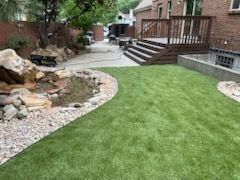
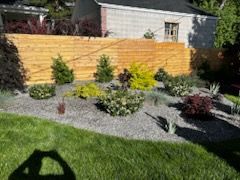
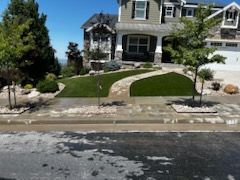
After installation, your landscape shows coordinated color and texture distribution, immediate screening where privacy plantings are positioned, and organized bed edges that separate planted areas from turf or hardscape. Trees stand straight without staking gaps or lean, mulch layers control weed emergence while retaining soil moisture, and plantings appear proportional to surrounding space rather than undersized or overcrowded for eventual growth.
Complete installations include initial watering schedules, mulch application to moderate soil temperature fluctuations, and plant placement that considers mature canopy spread and root zone expansion. Lakeside Landscaping sequences planting to coordinate with irrigation system activation and addresses site grading to prevent water pooling near root zones that causes rot or fungal issues.
Answers to Frequent Service Questions
Homeowners typically want to understand plant selection criteria, establishment timelines, and how installations transition from new plantings to mature landscapes.
What plant characteristics matter most for Utah's climate?
Cold hardiness to USDA Zone 4 or 5 ensures winter survival, while drought tolerance reduces supplemental watering once roots establish. Alkaline soil tolerance is critical since native soils in Salt Lake City typically measure pH 7.5 to 8.5, which affects nutrient availability for acid-preferring species.
When is the best time to install new plantings?
Spring and fall installations allow root establishment during moderate temperatures before summer heat stress or winter dormancy. Containerized plants can be installed throughout the growing season if irrigation is maintained, while bare-root trees require dormant-season planting.
How do you ensure plantings look proportional immediately after installation?
Plant sizing accounts for desired impact timeline, using larger caliper trees and gallon-size shrubs for instant presence or smaller stock for budget-conscious projects with longer maturation periods. Spacing reflects mature dimensions to prevent overcrowding that requires future removal.
What differentiates professional installation from homeowner planting?
Proper depth calibration prevents root burial or exposure, soil amendment addresses site-specific deficiencies rather than generic applications, and strategic placement considers sun angles, wind exposure, and sightlines that affect long-term performance and visual effect.
How soon do new plantings look established rather than freshly installed?
Perennials typically fill in within one growing season, shrubs develop fullness over two to three years, and trees show canopy maturation over five to ten years depending on species growth rate and installed size.
Lakeside Landscaping & Design coordinates planting projects with hardscape completion and irrigation system installations to create cohesive outdoor environments ready for immediate use. Schedule a free planting consultation to explore species options suited to your property's conditions and aesthetic preferences.