
Lawns That Stay Green Through Every Season
Artificial Turf Installation in Northern Utah for properties facing drought restrictions and winter dormancy challenges
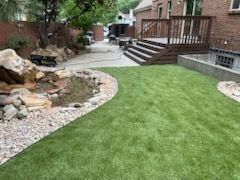
Northern Utah's climate swings from freezing winters to hot, dry summers, creating conditions where natural grass either burns out during peak heat or lies brown for months during cold stretches. Lakeside Landscaping installs artificial turf systems designed to handle temperature extremes and provide consistent surface quality regardless of seasonal shifts. The installation process addresses drainage requirements specific to areas with spring snowmelt and summer storm runoff, ensuring water moves through the base layer without pooling or creating soft spots that compromise turf stability.
Proper artificial turf installation involves excavating existing soil to establish a compacted aggregate base that remains stable through freeze-thaw cycles common in Northern Utah. The infill material and backing selection depend on whether the area receives full sun exposure or remains shaded, as surface temperatures and drainage needs differ significantly between these conditions. Turf fibers are engineered to resist UV degradation during high-altitude sun exposure and maintain flexibility even when temperatures drop below freezing.
Schedule a site evaluation to assess drainage patterns and soil conditions that affect installation requirements.
The base preparation determines how well artificial turf performs over time, particularly in climates with moisture fluctuations and freeze-thaw activity. Contractors excavate to a depth that allows for a four-to-six-inch compacted gravel base, which provides both drainage and a stable foundation that won't shift when frost penetrates the ground. Edge restraints are secured with spikes driven deep enough to remain anchored through soil expansion during winter freeze cycles, preventing turf from separating at seams or pulling away from borders.
Once installation is complete, you'll notice the surface remains uniform without the dips, bare patches, or uneven growth patterns that develop in natural lawns subjected to Northern Utah's temperature swings. Lakeside Landscaping secures seams with adhesive and staggered nailing patterns that prevent separation even when turf contracts slightly in cold weather. Water drains through the permeable backing and base layer within minutes after rainstorms or snowmelt, eliminating the mud and standing water that make natural grass unusable during spring thaw periods.
The infill layer serves multiple functions beyond cushioning, including weight to keep turf flat during high winds and a medium that allows limited drainage while supporting blade structure. Some installations incorporate antimicrobial infill options to reduce odor in areas with pets, while others use rounded silica sand for a firmer surface suited to high foot traffic. The choice depends on how the space will be used and whether children or animals will be the primary users.

What Property Owners Usually Ask
Artificial turf addresses the challenge of maintaining green outdoor space in a region where water conservation measures and extreme seasonal shifts make natural grass maintenance both costly and labor-intensive.
How does artificial turf handle Northern Utah's temperature extremes?
The backing material and infill are selected to remain flexible through winter cold and resist heat buildup during summer, with drainage systems designed to handle both snowmelt and sudden summer downpours common in Northern Utah's weather patterns.
What happens to water after rainstorms or irrigation system runoff?
Water passes through the permeable turf backing into the compacted gravel base, then disperses into the underlying soil or directs toward existing drainage points, preventing the surface pooling that turns natural lawns into mud zones during wet periods.
How long does the installation process take?
Most residential installations require two to three days, including excavation, base compaction, turf placement, seam securing, and infill distribution, with timing affected by soil conditions and site accessibility.
What maintenance does artificial turf require?
Occasional rinsing to remove dust or debris, periodic brushing to keep infill distributed evenly and blades upright, and inspection of seams after freeze-thaw cycles to ensure edges remain secure.
Can artificial turf be installed over existing concrete or pavers?
Yes, with a modified base system that includes shock-absorbing underlayment to provide cushioning and a surface that mimics the feel of turf installed over soil, though drainage is directed to perimeter edges rather than through the base.
Lakeside Landscaping tailors installation methods to Northern Utah's soil composition and seasonal moisture patterns, ensuring turf systems remain stable and functional through years of temperature cycling. Request a consultation to review site-specific drainage needs and turf options suited to your property's sun exposure and intended use.