
Boundaries That Define Your Outdoor Space
Custom Fencing in Salt Lake City for properties needing privacy screening, security improvements, or defined property lines
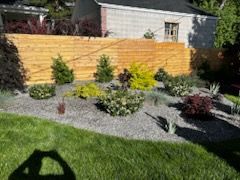
Lakeside Landscaping & Design builds custom fencing designed to meet specific privacy, security, and property definition needs across Salt Lake City and surrounding areas. Residential properties requiring defined yard boundaries, enhanced seclusion from adjacent homes, or secure perimeters for pets and children rely on fencing that integrates functionally with existing landscape features. The installation process accounts for terrain variations, soil conditions, and alignment with landscape plans to ensure structural stability and visual consistency.
Fencing solutions address visible gaps in property enclosure, exposure to street traffic or neighboring yards, and the absence of clear boundaries that complicate landscaping decisions. Material selection, height specifications, and gate placements depend on whether the priority is blocking sightlines, containing outdoor activities, or complementing existing hardscape and plantings. Each project evaluates setback requirements, slope challenges, and underground utilities before posts are set.
Schedule a fencing consultation to review property layout and determine the configuration that meets your functional requirements.
Professional installation begins with verifying property lines, identifying underground irrigation or electrical runs, and confirming local setback regulations. Post depth, concrete footing specifications, and spacing intervals are calculated based on fence height, material weight, and soil composition. Panel alignment follows grade contours to avoid gaps at ground level while maintaining consistent top-line elevation across uneven terrain.
Once installation completes, you notice clear visual separation from adjacent properties, elimination of direct sightlines into previously exposed yard areas, and defined zones that organize outdoor space for specific uses. Gates operate smoothly without sagging or binding, posts remain plumb without leaning, and the fence line follows property boundaries without encroaching on easements or neighboring parcels. The structure withstands wind load without panel flex or post movement.
Quality fencing requires pre-treatment or finish coatings appropriate to Utah's freeze-thaw cycles and high UV exposure. Wood materials need sealing or staining to prevent moisture absorption and cracking. Vinyl and composite options must include UV inhibitors to resist fading and brittleness. Metal fencing benefits from powder-coat finishes or galvanized coatings that prevent rust formation in areas with winter road salt exposure or irrigation overspray.
What Property Owners Usually Ask
Questions about fencing projects often focus on material performance, installation timelines, and how the structure integrates with existing landscape elements.
How do you determine the best fence height for privacy without creating a closed-in feeling?
Height recommendations balance privacy needs with maintaining open sightlines to desirable views, typically ranging from six feet for full screening to four feet for property definition that preserves visibility. The decision depends on proximity to neighboring structures, elevation differences between properties, and whether the goal is visual blocking or boundary marking.
What installation challenges are common in Salt Lake City properties?
Rocky soil conditions often require specialized auger equipment or rock breakers to achieve proper post depth, and slope variations demand stepped panel configurations or racked designs that follow grade contours. Irrigation systems near proposed fence lines sometimes require rerouting or protection during post-hole excavation.
How does fencing affect existing landscape plantings?
Fence placement considers root zones of mature trees, irrigation head locations, and sunlight patterns that affect plant growth on either side of the structure. Installation timing can be coordinated with planting schedules to minimize disruption and allow concurrent landscape work.
What maintenance does fencing require over time?
Wood fencing needs resealing or staining every two to four years depending on sun exposure and moisture contact. Vinyl materials require periodic cleaning to remove dirt buildup but no refinishing. Metal fencing benefits from annual inspections for rust spots and touch-up coating where finish damage occurs.
How long does a typical fencing project take from consultation to completion?
Most residential installations are completed within one to three days after material delivery, depending on linear footage, terrain complexity, and gate installations. Planning and permitting timelines vary based on homeowner association approvals and municipal requirements.
Lakeside Landscaping & Design coordinates fencing installations with broader landscape projects to ensure cohesive design execution and efficient site management. Request a free fencing consultation to evaluate your property's specific layout and explore material options suited to your privacy and security objectives.